The services I run at home, from smart home automation to a family media library.
jamesdillon.uk (this site)
Personal Portfolio Website
This site itself is self-hosted, built with SvelteKit and served from a custom Docker
image. Pushing changes to the Git repository triggers a build of a new image, which my
server then automatically pulls and updates to, so deployments need no manual steps
beyond a git push.
Home Assistant Server
Smart home control platform
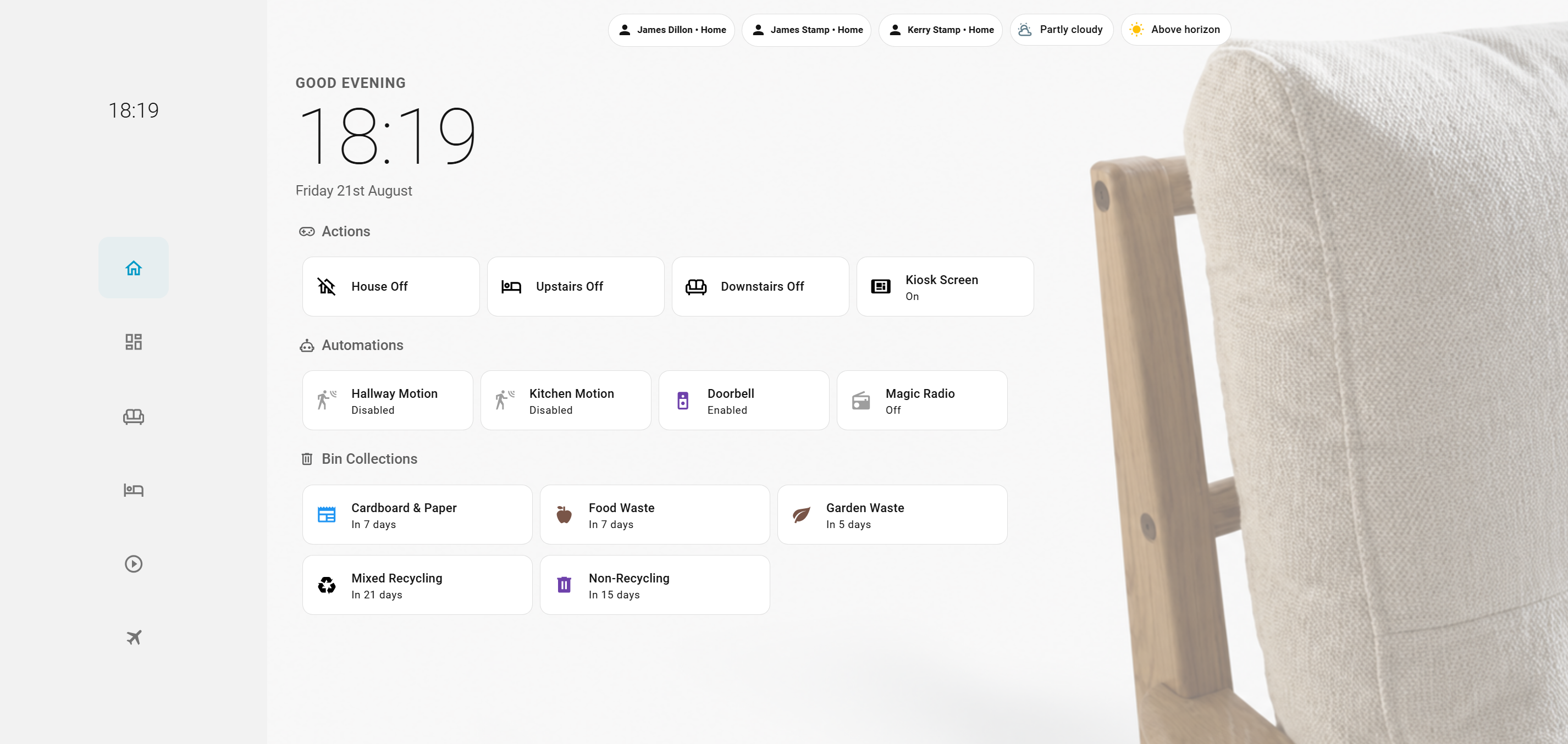
I rebuilt my smart home setup around Home Assistant running in Docker so it properly
fits into my home lab and gives me more flexibility than using a standalone install.
This time, I focused on making something that actually works for everyone in the house,
not just me.
I started with simple wins like lighting using TP-Link Tapo smart plugs, then expanded
into things like integrating the TV with Wake-on-LAN and adding remote-style controls,
as well as connecting my Sonos speakers for basic playback. It all worked well, but I
started to notice the small annoyances, like setup friction and reliability, that made
the system feel less seamless than I wanted.
To improve that, I began moving over to Zigbee devices, starting with a Sonoff Zigbee
dongle and motion sensors to create automations like hallway lights that turn on at
night and switch off automatically.
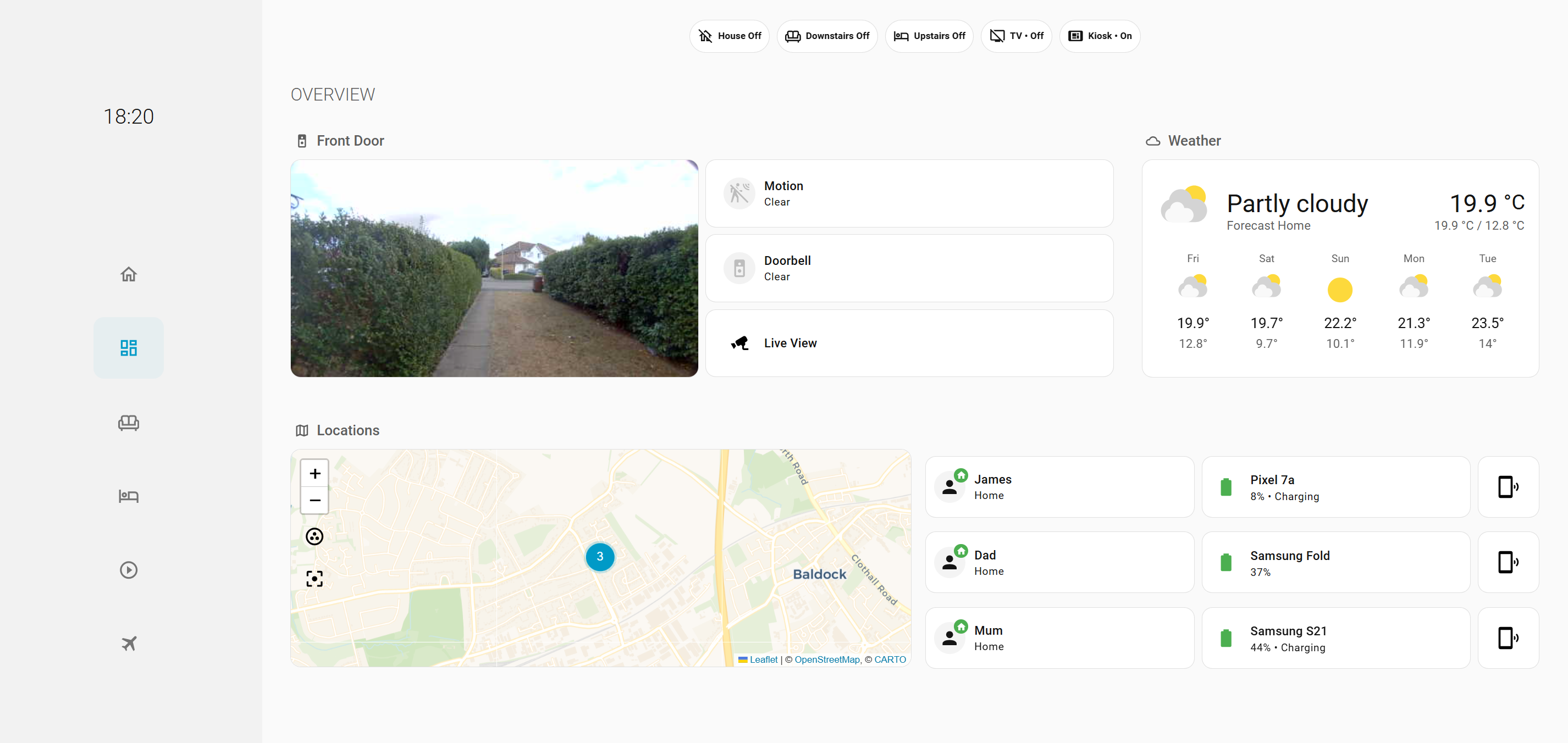
I also added a dedicated touchscreen panel powered by a Raspberry Pi 4, which completely
changed how the system is used. Instead of relying on phones, everything is just there:
simple, fast, and accessible. That shift made the biggest difference, turning the setup
from something I built for myself into something the whole house can actually use.
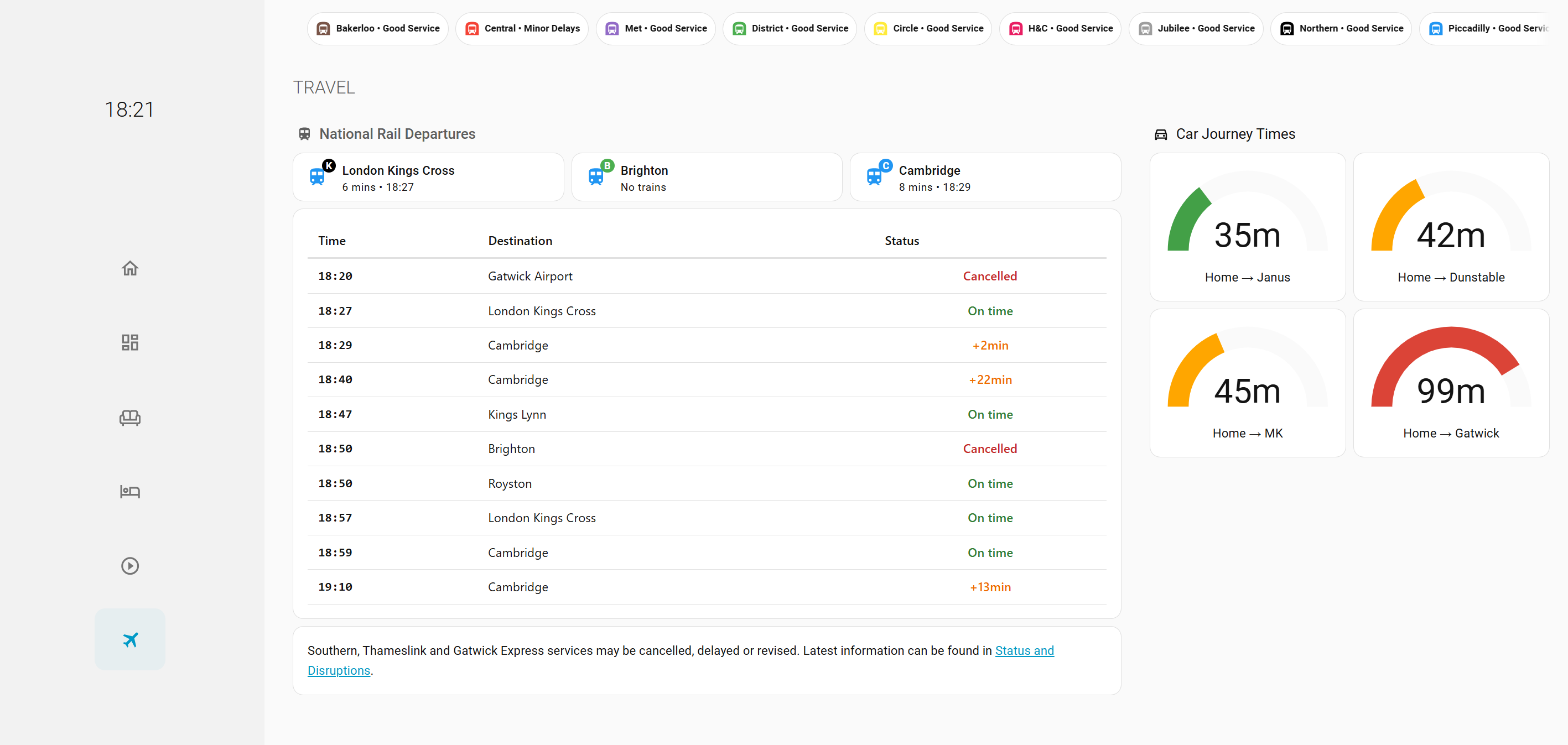
Main dashboard view for my Home Assistant server.Overview view showing household status at a glance.Travel view showing commute times to nearby destinations.
Jellyfin Server
Media streaming platform
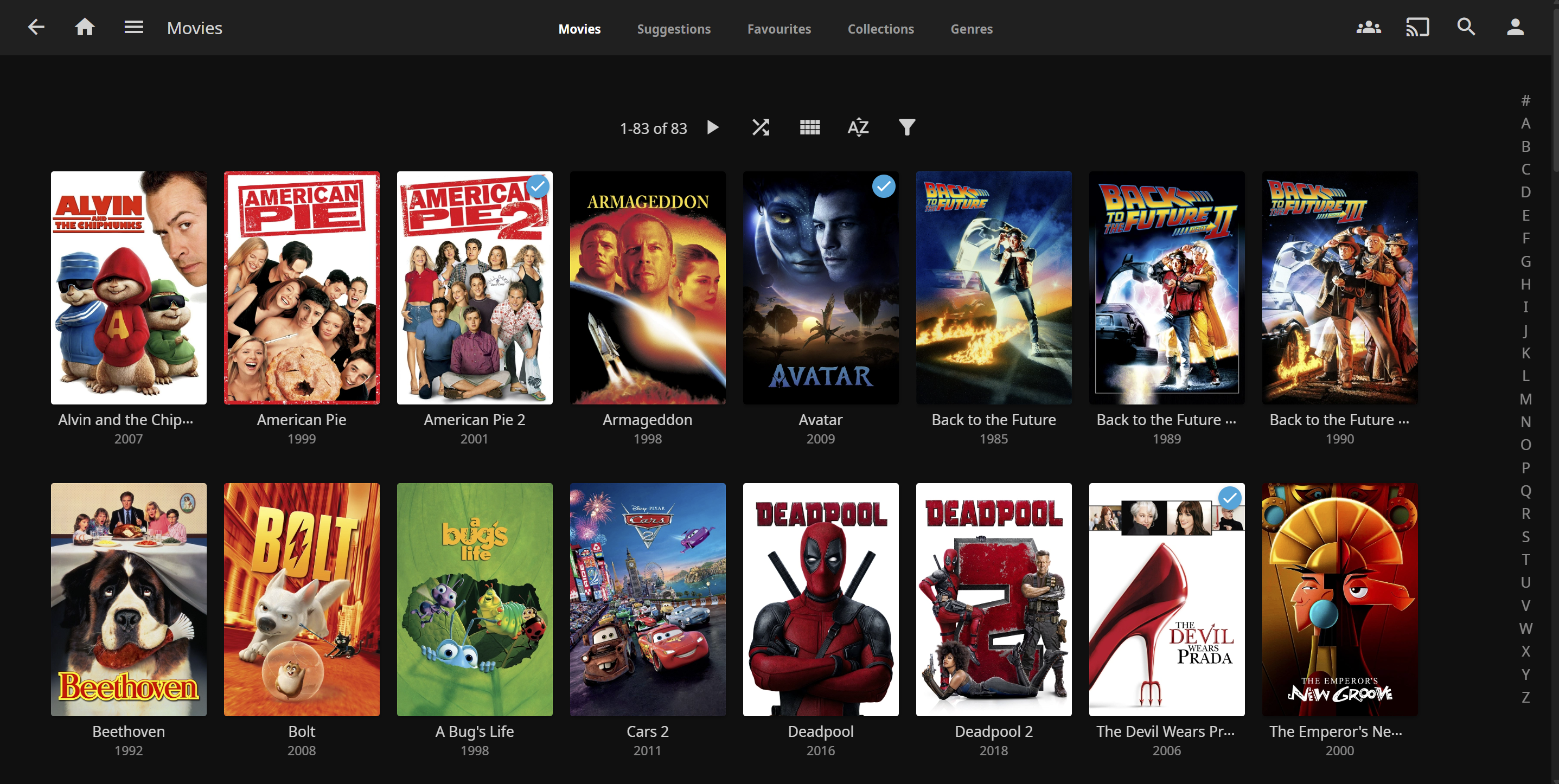
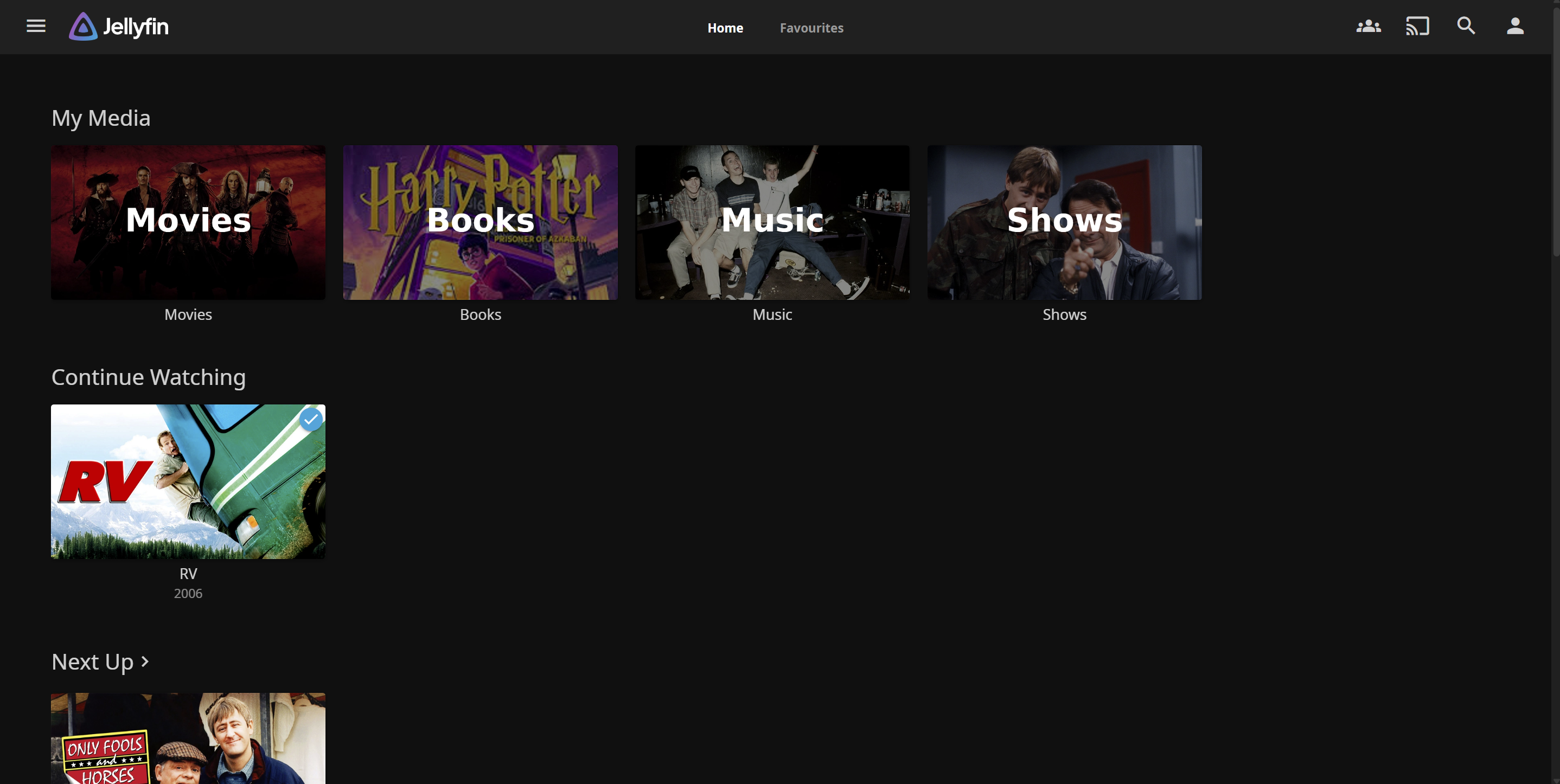
I also run Jellyfin as part of my home lab, providing a fully self-hosted way to
organise and stream our media from a system I control.
It includes CDs my family owns that I have ripped and stored on the server, creating a
single central library for our music collection. Like the rest of my setup, the focus is
on reliability and ease of use, so it feels like a practical family media service rather
than another project that needs constant maintenance.
Movie and TV show library view within Jellyfin.Jellyfin dashboard giving suggestions and allowing users to continue where they left
off.